Quick answer
- Jhumka earrings are bell- or dome-shaped Indian earrings, often with tiny beads or bells along the rim.
- Main styles: gold, oxidized silver, kundan, temple and meenakari.
- Heavy jhumkas are often worn with a sahara, an ear chain that takes weight off the lobe.
- Small jhumkas suit daily wear; large kundan or temple pieces suit weddings and festivals.
Jhumka earrings are one of the most recognizable earrings in South Asian jewelry: a bell or dome shape that hangs from a stud, often finished with tiny beads, pearls or bells that sway as you move. They show up at weddings, festivals and family gatherings, and they've become a favorite everyday statement around the world. Here's how the main styles differ and how to wear them comfortably.
What makes a jhumka a jhumka?
A classic jhumka has two parts: a top piece that sits on the lobe, often a stud or decorative motif, and a bell-shaped dome that hangs below. Many add a fringe of tiny beads, pearls or ghungroo-style bells along the rim.
The shape has been part of Indian jewelry for centuries and appears in temple sculpture and traditional art. Today it ranges from tiny everyday pairs to large, layered bridal pieces.
Types of jhumka earrings
| Style | Look | Best for |
|---|---|---|
| Gold | Warm, polished, often with filigree | Weddings, heirlooms, festive wear |
| Oxidized silver | Darkened, antique, boho | Daily wear, cotton sarees, kurtas, jeans |
| Kundan | Glass or gemstones set in gold foil, very ornate | Bridal and formal events |
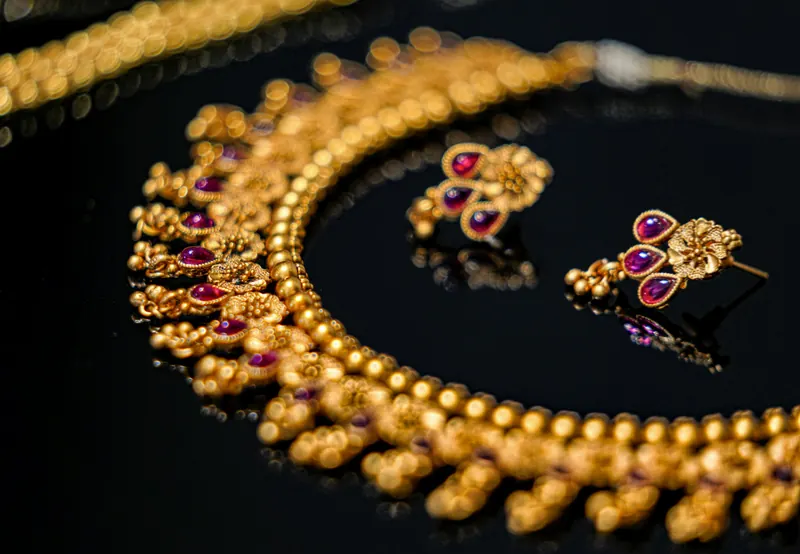
| Temple | Gold with deity or motif work, often ruby and green stones | South Indian weddings, classical dance |
| Meenakari | Colorful enamel work | Festivals, color-matching outfits |
| Pearl | Pearl fringe or pearl-studded domes | Daytime events, softer looks |
Temple jhumkas are closely tied to South Indian traditions and Bharatanatyam costume, while kundan is especially popular in North Indian bridal jewelry. Oxidized silver has become the go-to for casual, everyday wear.
The sahara: support for heavy jhumkas
Big jhumkas can be heavy. That's where the sahara comes in. It's a chain, sometimes beaded or pearled, that hooks onto the earring and runs back to clip into your hair, taking weight off the lobe. Saharas are a beautiful detail on their own, framing the side of the face.
- Fit: pin it into your hair or bun behind the ear, slightly taut.
- Match: choose a sahara in the same metal and style as the earring.
- Comfort: if your lobe still feels pulled, the sahara needs tightening.
For long weddings, also add a wide disc or "lobe support" backing. It spreads the weight across more of the lobe and stops the earring drooping forward.
How to wear jhumka earrings comfortably
Comfort makes or breaks a long day in jhumkas. A few habits help:
- Check the weight in your hand first. If a pair feels heavy, plan on a sahara or lobe support.
- Use the right back. Screw-backs or large disc backs hold better than tiny push-backs; see our earring backs guide.
- Mind the gauge. Some traditional posts are thicker than standard 20g or 18g lobe earrings.
- Take breaks. Remove heavy pairs for a while between events if you can.
Hairstyle matters too. A low bun or braid shows off jhumkas and gives you somewhere to pin a sahara, while loose waves partly hide them, which works for a softer look.
Choosing jhumka earrings by occasion
- Everyday: small oxidized silver or plain gold jhumkas, under about 3 cm long.
- Office: mini gold jhumkas or pearl-trimmed pairs that don't swing too much.
- Festivals: meenakari or oxidized pieces in colors that match your outfit.
- Weddings and receptions: kundan, temple or large gold jhumkas, often with a sahara.
- Western outfits: oxidized jhumkas with a white shirt or denim make a lovely contrast.
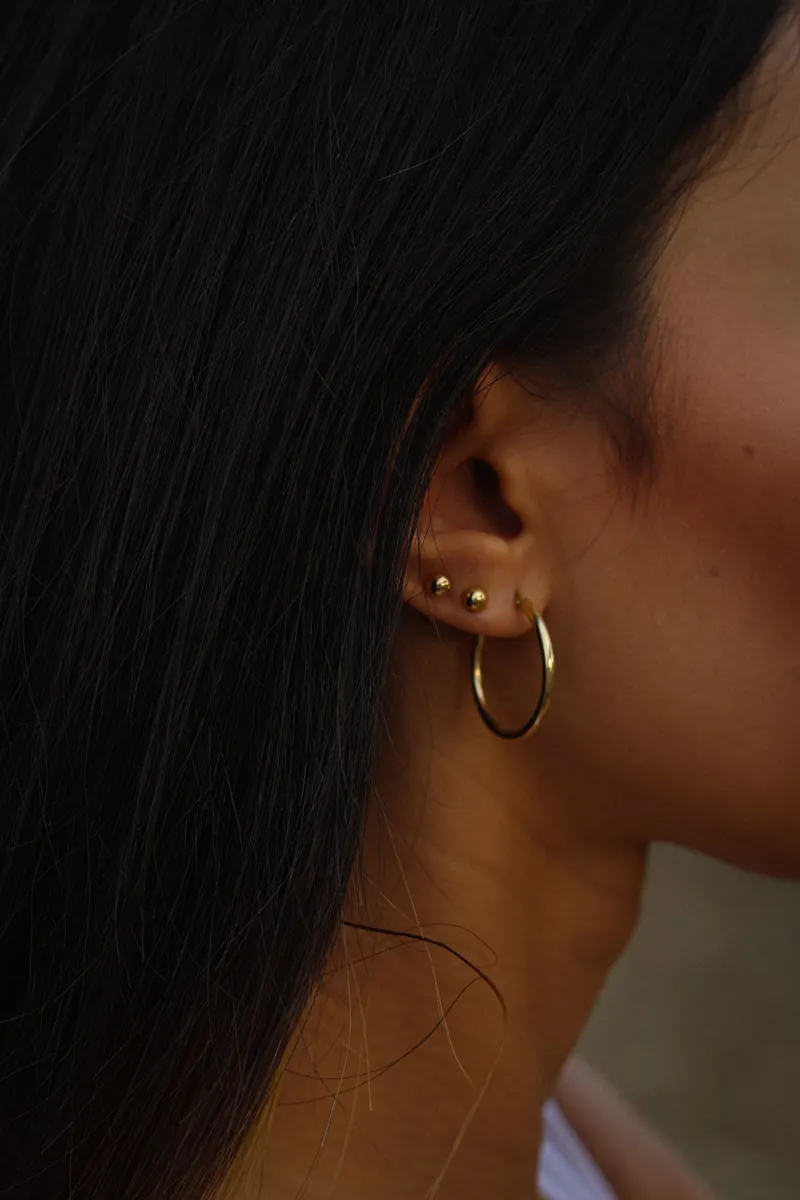
Jhumkas also work in a curated ear. Wear one in the lobe and keep the rest simple: a tiny gold stud in a second lobe hole or a small hoop on the helix.
Building a modern ear with jhumka earrings
Jhumka earrings don't have to be worn alone. Mini jhumkas look lovely as the lowest piece in a stack, with tiny gold studs or a small hoop above. Some people wear a single statement jhumka in one ear and a matching stud in the other, which feels contemporary while honoring the classic shape.
Keep metals consistent for a polished look, or mix oxidized silver with gold on purpose for a boho feel.
Materials, comfort and care
Real gold jhumkas, often 22k in Indian jewelry, are soft and heavy, so treat them gently. Fashion jhumkas usually use plated brass or copper alloys; they're light on the wallet but can irritate sensitive ears. If that's you, look for sterling silver or titanium hooks and posts, or limit wear time.
Store jhumkas separately so beads and fringes don't tangle. Wipe oxidized silver with a dry cloth only, since polishing removes the dark finish. Keep kundan and meenakari pieces away from water and perfume. Heavy earrings worn often can stretch lobes, so give your ears breaks and avoid heavy pieces in a piercing that hasn't fully healed.
Frequently asked questions
What are jhumka earrings?
Jhumkas are traditional Indian earrings with a bell- or dome-shaped drop hanging from a stud, often trimmed with tiny beads, pearls or bells.
What is a sahara for jhumka earrings?
A sahara is a chain that attaches to a heavy earring and clips into your hair behind the ear. It takes weight off the lobe and adds a decorative frame.
Can I wear jhumkas with Western clothes?
Yes. Small oxidized silver or gold jhumkas look great with shirts, denim and simple dresses.
What is the difference between kundan and temple jhumkas?
Kundan jhumkas set glass or gemstones in gold foil for an ornate look, while temple jhumkas feature gold motifs inspired by temple art, often with red and green stones.