Quick answer
- Butterfly (push) backs are the most common on studs; screw backs are the most secure.
- Lever-backs and latch backs lock dangles and hoops in place.
- Threadless and flat-back labrets are comfy for sleeping and great for cartilage.
- No piercing? Try clip-on or magnetic earrings.
The back of an earring decides whether you'll lose it, feel it at night, or forget you're wearing it. Knowing the main types of earring backs helps you buy pieces that suit your ears and your routine, not just your outfit. Here's every common closure, what it's good for, and where it falls short.
Types of earring backs at a glance
| Back | Used on | Security | Best for |
|---|---|---|---|
| Butterfly / push | Studs | Medium | Everyday studs, easy swaps |
| Screw back | Studs | High | Valuable studs, kids |
| Lever-back | Drops, dangles | High | Pearl drops, heavier dangles |
| Latch back | Hoops, drops | Medium-high | Larger hoops and statement drops |
| Hinged / huggie | Small hoops | High | Stacks, sleeping, everyday hoops |
| Fishhook / French wire | Dangles | Low | Light, swingy earrings |
| Threadless / press-fit | Body jewelry | High | Cartilage and curated ears |
| Flat-back labret | Body jewelry | High | Sleeping, helix, tragus |
| Clip-on | Non-pierced | Medium | No piercing needed |
| Magnetic | Non-pierced | Low-medium | Trying a look, kids' dress-up |
| Backless / threader | Chains, wires | Low-medium | Delicate, minimal looks |
Backs for studs
Butterfly or push backs
The classic friction back: a small metal piece with two curls that grip the post. They're inexpensive and fast to use. Over time the curls loosen, so gently squeeze them closer or replace them. They also trap skin cells, which is one reason earrings can smell.
Screw backs
The post is threaded, and the back twists on. They take a few seconds longer but rarely fall off, which makes them a favorite for diamond studs and for kids' earrings.
Rubber, silicone and disc backs
Soft or oversized push backs add grip or support. Large disc backs keep heavier studs upright, which helps with the bigger sizes in our 8mm earrings actual size guide.
Backs for hoops and dangles
Lever-backs
A hinged lever snaps closed against the wire, forming a closed loop. They're secure, easy to open, and common on pearl and gemstone drops.
Latch backs
A hinged wire or post on a hoop or drop clicks into a small catch. They're secure enough for larger hoops while still easy to remove.
Hinged or huggie closures
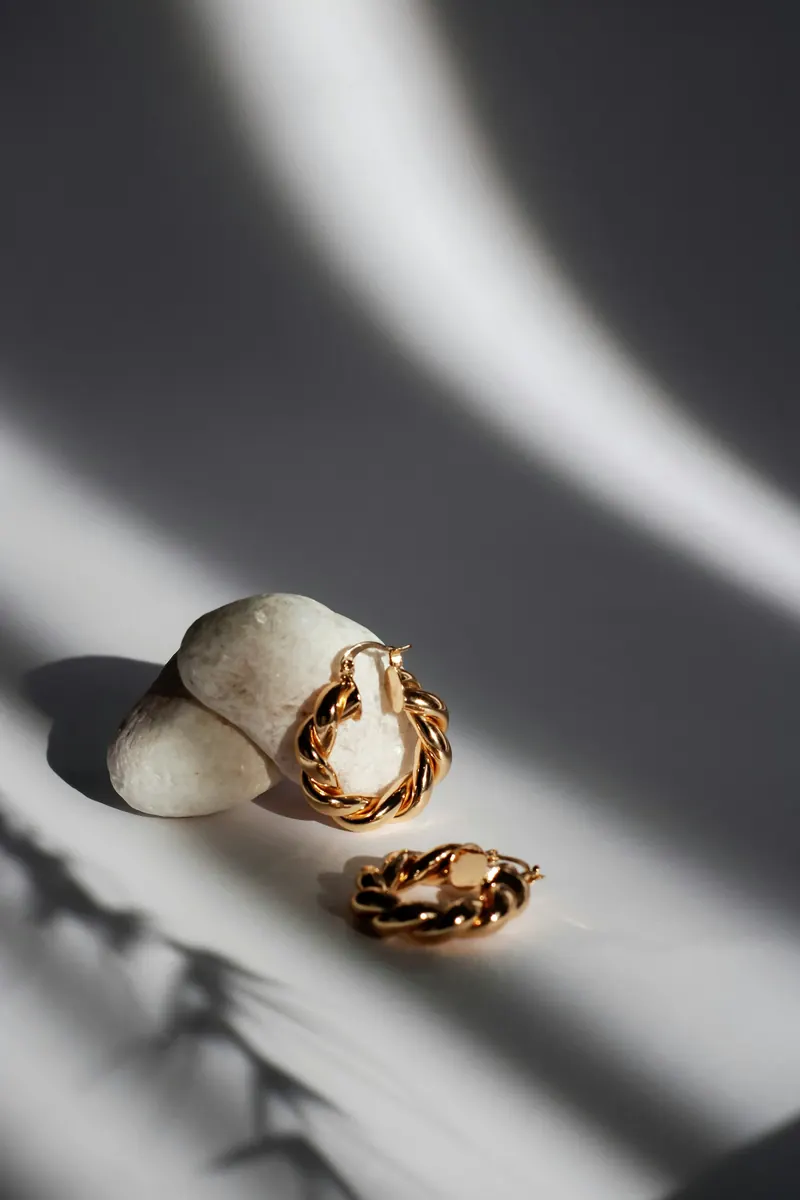
Small hoops with a hinged segment that clicks into the other side. Snug and smooth, they're perfect for stacks and comfortable for many people to sleep in.
Fishhook or French wire
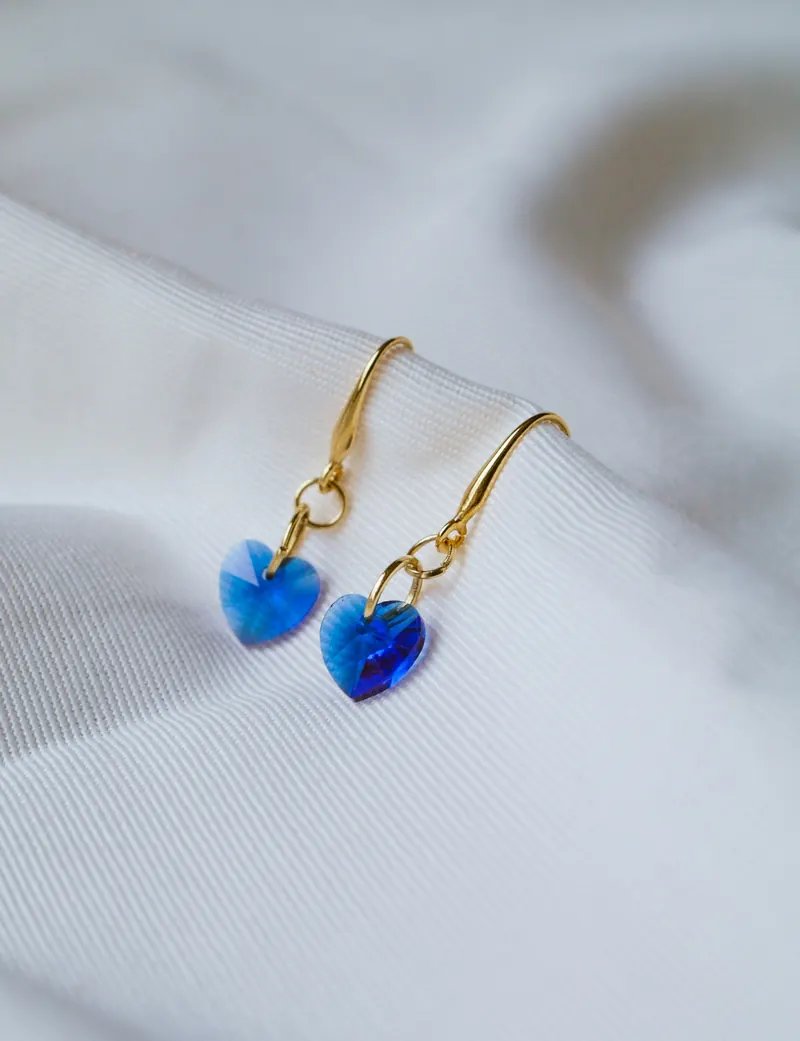
An open hook that sits in the piercing and lets the earring swing. They're simple but can slip out, so add a small rubber stopper to the end.
Body jewelry backs
Threadless or press-fit
A decorative top with a slightly bent pin pushes into a hollow flat-back post, held by tension. They're secure, smooth on the inside, and easy to change, which is why many piercers love them.
Flat-back labret
A flat disc sits against the back of your ear, with the decorative end screwed or pressed on the front. It's comfortable for sleeping and phone calls and works across lobe and cartilage. Check post size and gauge; our guide to what gauge regular earrings are explains the differences.
For fresh piercings, an APP-member piercer will typically fit a threadless or internally threaded flat back in implant-grade titanium or 14k+ solid gold. Wait until you're healed before swapping to fashion backs.
Backs for unpierced ears
Clip-on
A hinged clip or padded paddle pinches the lobe. Modern versions often have silicone pads for comfort. They're great for anyone without piercings and for occasional statement pieces.
Magnetic
Two magnets hold the earring on either side of the lobe. They're simple, but they can slip and must be kept away from small children who might swallow them.
Backless and threader
Threaders are thin chains or wires that pass through the piercing and dangle on both sides. They have no back at all, relying on weight and length, so they work best for lightweight, minimal looks.
How to choose the right back
- Losing earrings often? Choose screw, lever-back or threadless.
- Sleeping in them? Flat backs and huggies are the comfiest.
- Sensitive skin? The back touches your skin too, so check the metal on both pieces.
- No piercings? Clip-ons first; magnetic for quick, light pieces.
Mixing closures is part of curating an ear. A screw-back stud, a hinged huggie and a threadless top can sit side by side, each chosen for the job it does best.
One last tip: keep a small stash of spare backs in your most-used styles. Butterfly backs in particular go missing on bathroom floors everywhere, and a replacement in the right size and metal saves a favorite pair from the drawer of orphans. Match the back to the post thickness, since a back made for a 20g post won't grip an 18g one properly.
Frequently asked questions
What is the most secure type of earring back?
Screw backs are the most secure for studs. For hoops and dangles, lever-backs and hinged closures hold well.
What earring backs are best for sleeping?
Flat-back labrets, threadless studs and small hinged huggies are the most comfortable for sleeping.
Are threadless backs secure?
Yes, when the pin is bent enough to create tension. Your piercer can adjust the bend if a top feels loose.
What are the backs of earrings called?
Most are called earring backs, nuts or clutches. Common types include butterfly, screw, lever-back, latch and flat-back closures.