Quick answer
- Cute cartilage earrings are usually 16g, in tiny gems, flat-back studs, clickers and huggies.
- Small tops (2–3mm) and hoops around 6–10mm suit most upper-ear spots.
- Stick to flat-back studs until healed, then try clickers and chain connectors.
- Avoid sleeping directly on a cartilage piercing; a travel pillow helps.
Cartilage earrings are where a curated ear gets its personality. A tiny gem in the helix, a gold clicker in the conch or a delicate chain linking two holes can turn a simple lobe stack into something that feels completely yours. Here are the cutest small styles to try, the sizes that fit, and the care basics that keep cartilage happy.
Cute cartilage earring ideas
Tiny gems
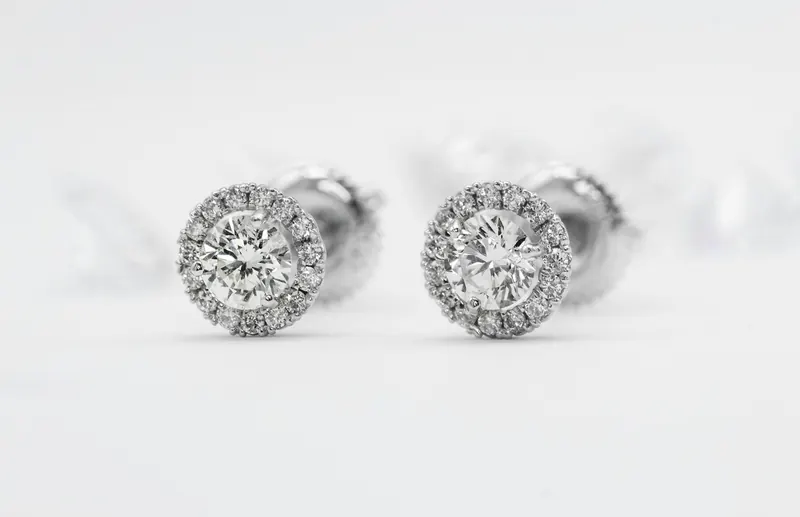
Small flat-back studs with 2–3mm gems are the easiest way to start. Try a bezel-set diamond simulant for everyday sparkle, an opal for soft shimmer, or a birthstone for a personal touch. Three tiny gems in a row along the helix look like a little constellation.
Shapes and motifs
Stars, moons, hearts, flowers, lightning bolts and tiny butterflies are all popular as threadless tops. Mixing two or three different motifs across one ear is a playful way to celebrate a mismatched look.
Clickers
A clicker is a hinged hoop that snaps shut. They come plain, pavé-set with gems, or with a small charm dangling below. They are easy to put in and take out, which makes them great for healed piercings in the helix, conch, rook or daith.
Huggies
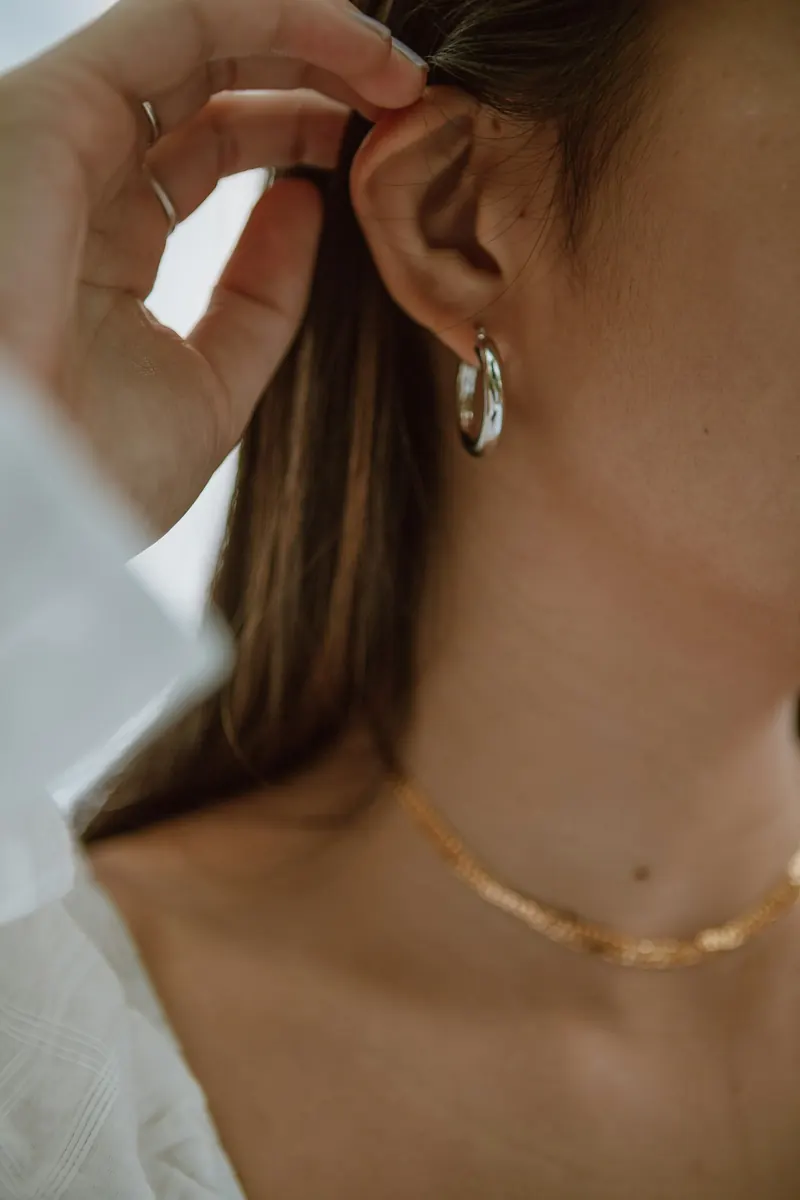
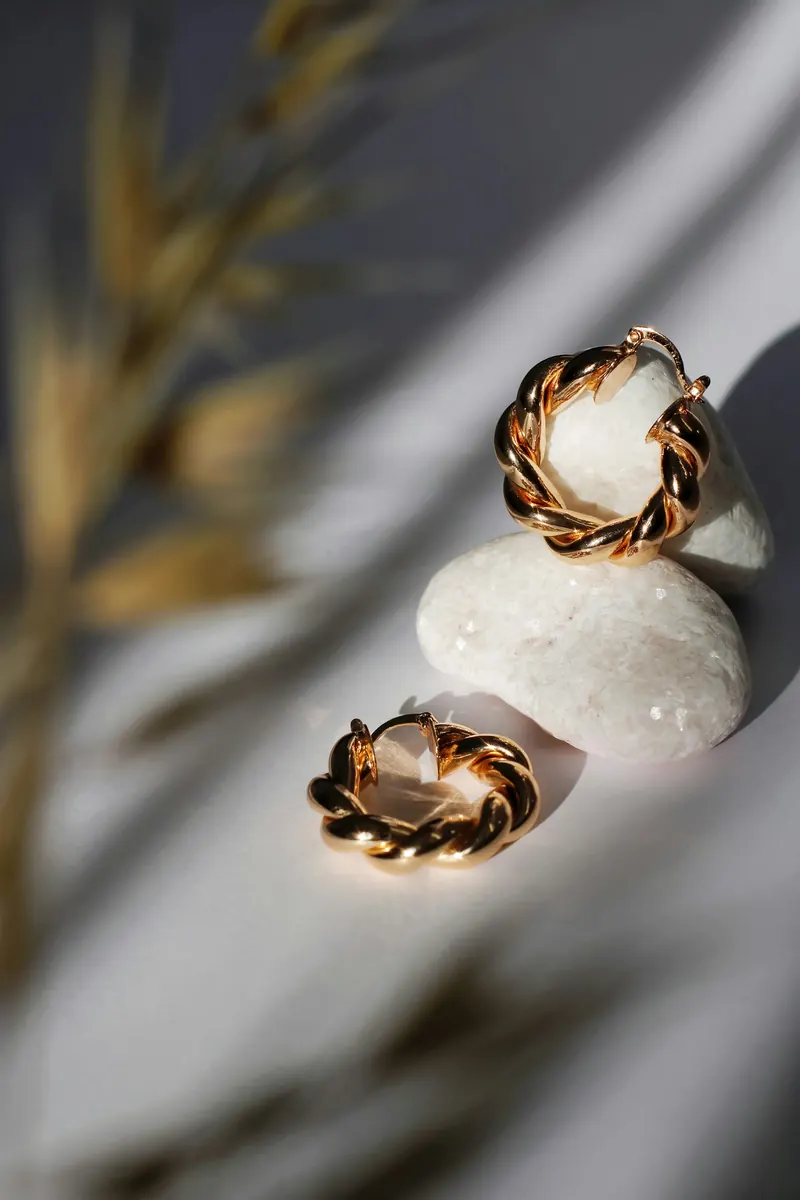
Huggies are small, thick hoops that hug the ear closely. A textured or twisted gold huggie in the upper ear looks polished with almost anything.
Chain connectors
Chain connectors link two piercings, such as a lobe and a helix, with a fine chain. They create a draped, jewelry-box look and work best on healed piercings with secure ends.
Everything that moves, including hoops, clickers and chains, belongs in healed piercings only. While you are healing, stick with a flat-back stud.
Cartilage earring sizes
Cartilage piercings are most often done at 16g (1.2mm), with some at 18g (1.0mm) or 14g (1.6mm). That is thicker than many regular lobe earrings, which are usually 20g or 18g, so check the gauge before buying. Our ear gauge size chart lists every conversion.
| Placement | Typical jewelry | Common sizes |
|---|---|---|
| Helix | Flat-back stud, hoop, clicker | 16g; hoops 8–10mm |
| Forward helix | Tiny flat-back studs | 16g; 2–3mm tops |
| Tragus | Flat-back stud, small hoop | 16g; hoops around 6–8mm |
| Conch | Flat-back stud, larger hoop | 16g or 14g; hoops often 10–12mm |
| Rook | Curved barbell, clicker | 16g; bars around 5/16" (about 8mm) |
Hoop sizes depend on how far your hole sits from the edge, so let your piercer measure. To picture 3mm vs 5mm vs 8mm, try our earring size tool.
Materials for cartilage earrings
A good quality piece should list its exact metal, gauge and length, and threadless or internally threaded ends are smoother on the way in. Cartilage is sensitive and slow to heal, so stick with implant-grade titanium or 14k+ solid gold, especially for fresh piercings. Niobium is another body-safe option once healed. Skip plated pieces and unknown alloys, which are a common cause of irritation bumps. Solid gold costs more upfront, but a tiny top is a small amount of metal, and it will last for years of swapping between ears.
Aftercare basics
Cartilage piercings typically take 6–12 months to fully heal, sometimes longer. A few simple habits make a big difference.
- Get pierced by a professional (APP-member) piercer who uses a needle, never a gun.
- Rinse once or twice a day with sterile saline and let it air dry or pat with clean gauze.
- Do not twist, rotate or change the jewelry until your piercer says you are healed.
- Go back to have your post downsized once the initial swelling settles.
- Keep hair products, makeup and phone screens away from the piercing.
Small irritation bumps are common and often calm down once the cause, such as pressure or a long post, is fixed. Spreading redness, heat, thick discolored discharge or fever can signal infection, so see a doctor.
Sleeping on a cartilage piercing
Pressure from sleeping is one of the biggest reasons cartilage piercings get irritated. If you are a side sleeper, try these tips.
- Use a travel pillow: lay your ear in the hole of a U-shaped or donut pillow so nothing presses on it.
- Pierce one side at a time: you can keep sleeping on the other side while it heals.
- Choose flat backs: they press less than other backs if you do roll over.
- Fresh pillowcases: change them often to keep things clean.
Find your next cartilage piercing
Not sure where to start? Our guides to helix earrings, tragus earrings and rook earrings cover each spot in detail, so you can pick the piercing that suits your ear and style.
Frequently asked questions
What size are cartilage earrings?
Most cartilage piercings are 16g (1.2mm), with some at 18g or 14g. Hoop diameters vary by placement, often 6–12mm.
Can I wear a hoop in a new cartilage piercing?
It is best to wait. Start with a flat-back stud and switch to a hoop or clicker only after your piercer confirms you are healed.
How do I sleep with a cartilage piercing?
Use a travel pillow so your ear rests in the hole, or sleep on the other side. Avoid putting pressure directly on the piercing.
Are regular earrings okay for cartilage?
Usually not. Regular earrings are often thinner with butterfly backs that can irritate cartilage, while flat-back labrets are designed for it.