Quick answer
- The best starter tragus earrings are flat-back labrets, usually 16g, with a small top.
- Tiny diamond or crystal tops around 2–3mm are the classic look.
- Wait until you are fully healed, typically 6–12 months, before trying a hoop.
- Skip in-ear earbuds on that side while healing; over-ear headphones are gentler.
Tragus earrings sit on the small flap of cartilage that covers the front of your ear canal. It is a tiny space, which is exactly what makes it such a charming spot for a single sparkly stud. Here is how to choose tragus earrings that fit, how to handle earbuds and headphones, and what healing really looks like.
The tragus at a glance
The tragus is the firm, rounded nub of cartilage just in front of your ear canal, next to your cheek. Because jewelry here sits in front of the ear opening, the back of the earring lives inside your ear, which is why the post and back shape matter so much.
A tragus is a good choice if you want something subtle that still catches light from the front. It pairs naturally with a forward helix above it; our guide to the triple forward helix piercing shows how the two work together.
The best tragus earrings for a new piercing
For a fresh tragus, nearly every professional piercer uses a flat-back labret. The flat disc on the back sits smoothly against the inside of the tragus instead of poking into your ear canal like a butterfly back would.
| Detail | Typical choice |
|---|---|
| Gauge | 16g (1.2mm), sometimes 18g (1.0mm) or 14g (1.6mm) |
| Starter post length | Around 8mm to allow for swelling, then downsized |
| Healed post length | Often 6–6.5mm, depending on your tragus thickness |
| Top size | 2–4mm; 3mm is a popular middle ground |
| Material | Implant-grade titanium or 14k+ solid gold |
Ask your piercer to downsize your post after the initial swelling goes down, usually within a few weeks. A long post wiggles and gets caught, which can lead to irritation bumps.
Regular lobe studs are a poor match here. They are usually thinner, at 20g or 18g, and their butterfly backs poke into the ear canal and trap debris. If you are curious how different closures compare, our guide to types of earring backs explains why flat backs win for this spot. Threadless (push-pin) tops are especially handy, because you can swap the decorative end later without removing the whole post.
Small studs and diamond tops
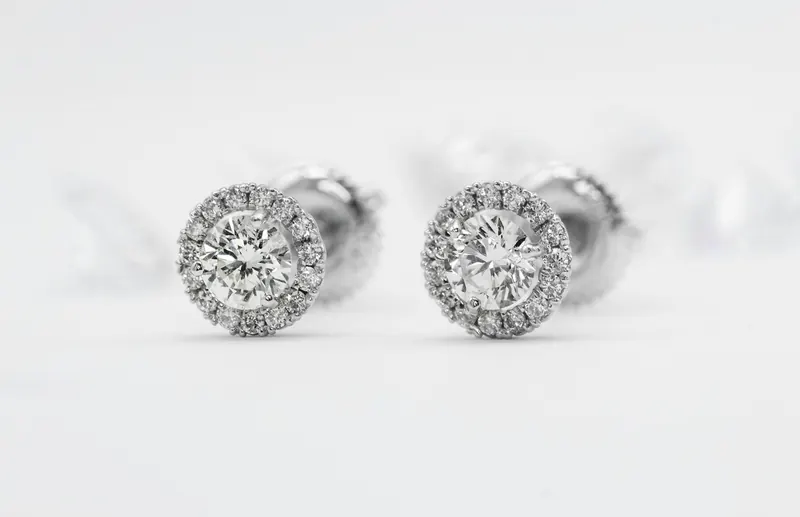
The tragus is made for tiny tops. A single diamond or crystal top around 2.5–3mm gives the ear a clean point of sparkle without crowding the space. Other favorites include:
- Bezel-set gems: the stone is wrapped in metal, so there are no prongs to catch on hair or masks.
- Polished gold balls or discs: minimal and easy to wear daily.
- Opals: a soft shimmer that looks lovely next to warm skin tones.
- Tiny shapes: stars, hearts, moons or flowers for a playful touch.
Not sure how 3mm compares to 5mm? Our earring size tool shows each size at actual scale, and the 5mm earrings actual size guide gives helpful comparisons.
A bezel setting is the most practical choice for the tragus. Prong-set stones look stunning but can snag on hair, scarves and masks right next to your face.
Hoops in the tragus: only after healing
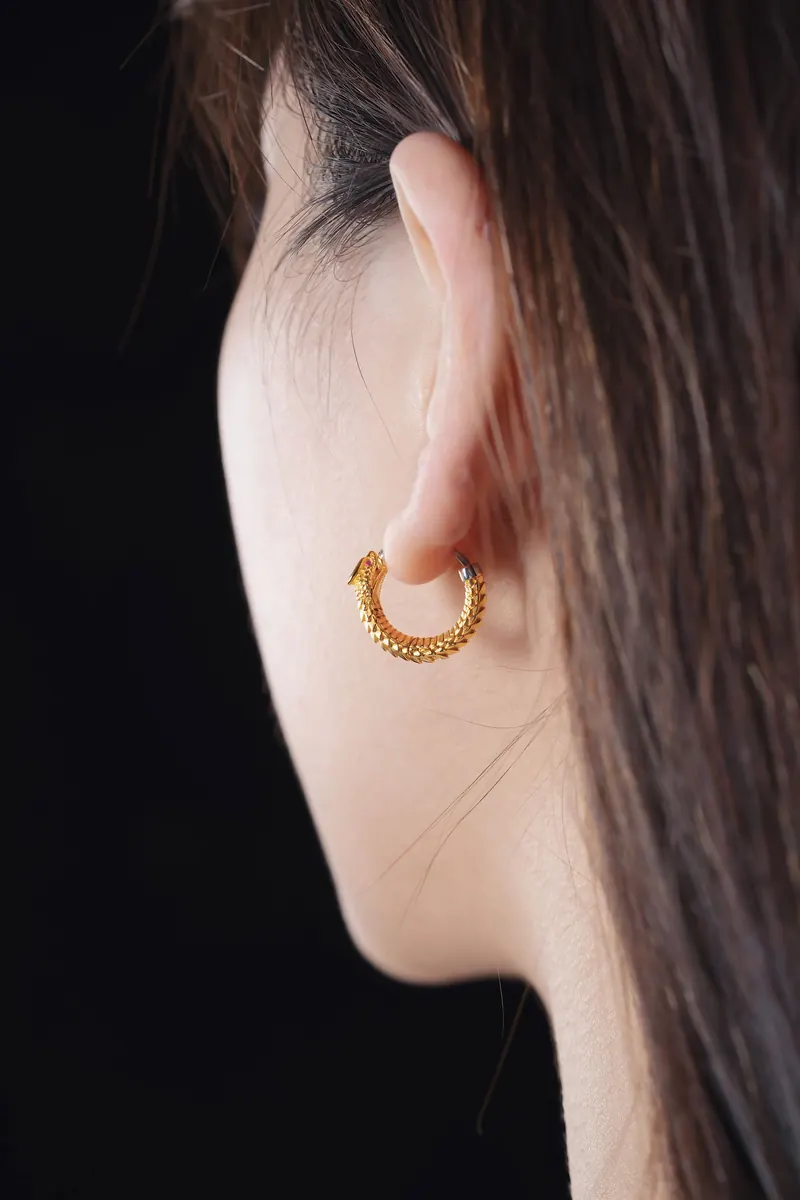
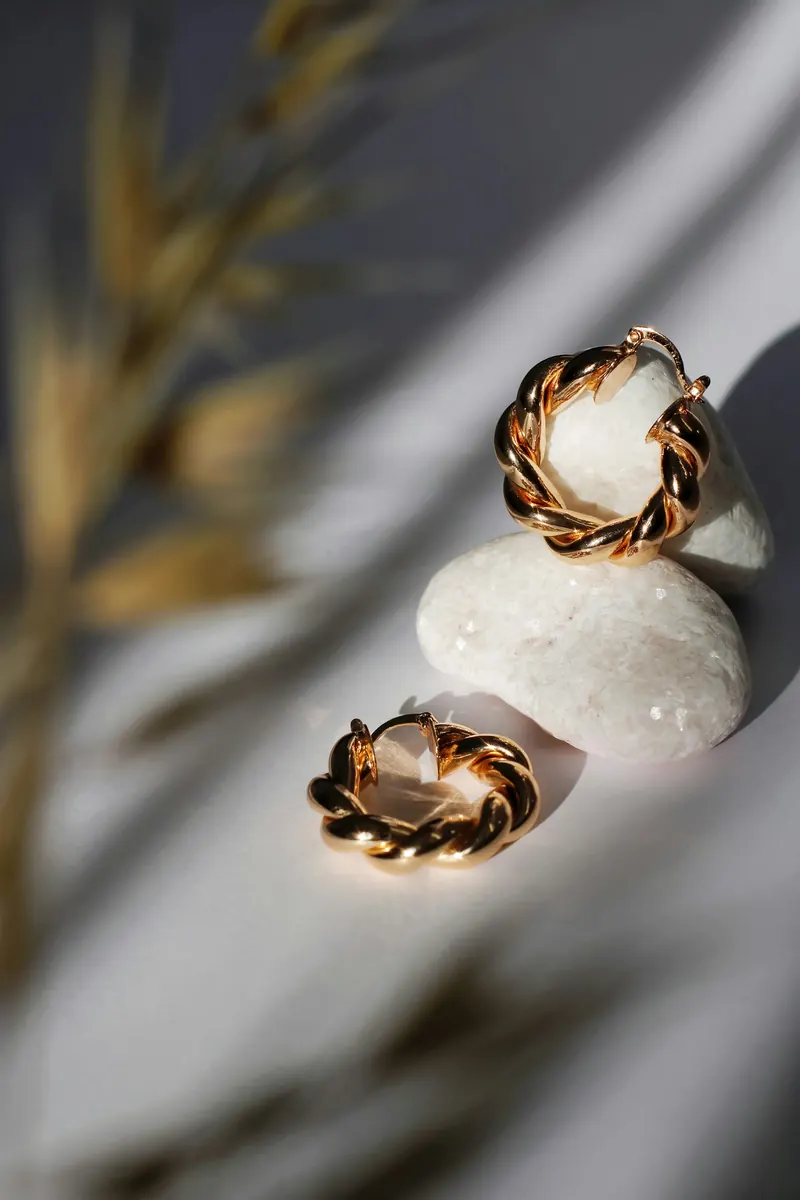
A tiny hoop or clicker curling around the tragus is a gorgeous look, but hoops move a lot. In a healing piercing, that movement drags the jewelry through the channel and often causes bumps or angle changes. Most piercers recommend waiting until you are fully healed before switching.
When you do, tragus hoops are usually small, often around 6–8mm in inner diameter. Your piercer can measure how far your hole sits from the edge so the hoop hugs instead of pinching.
Earbuds, headphones and phone calls
This is where the tragus is a little fussy. In-ear earbuds press directly against the back of tragus jewelry and can push it around or trap bacteria.
- While healing: use earbuds only in the other ear, or switch to over-ear headphones that do not press on the tragus.
- Phone calls: use speaker mode or the other ear, and clean your phone screen often.
- Once healed: many people wear earbuds comfortably with a short, well-fitted flat back. Some still prefer over-ear styles.
Healing and aftercare
Pain-wise, most people find the tragus a quick, firm pressure followed by a crunchy sound, which is normal for thicker cartilage. A tragus piercing typically takes 6–12 months to fully heal. It may feel comfortable much sooner, so resist changing jewelry early. Rinse with sterile saline once or twice daily, avoid sleeping on that side, and keep hair products and makeup away from the area.
Choose a professional (APP-member) piercer who uses a needle, not a gun. If you notice spreading redness, heat, thick discolored discharge or fever, see a doctor. For more small upper-ear styles once you are healed, browse our list of cute cartilage earrings.
Frequently asked questions
What size are tragus earrings?
Most tragus piercings are 16g (1.2mm) with a flat-back labret. Healed posts are often 6–6.5mm long, depending on the thickness of your tragus.
Can I wear a hoop in my tragus?
Yes, once it is fully healed, typically 6–12 months. Tragus hoops are usually small, often around 6–8mm in inner diameter.
Can I wear earbuds with a tragus piercing?
Avoid in-ear earbuds on that side while healing. Once healed, many people wear them comfortably with a short flat-back labret.
Can I use regular stud earrings in my tragus?
It is not ideal. Regular studs are usually thinner and have butterfly backs that poke into the ear canal, while a flat back sits smoothly.